

- 22/06/2022
- Dr. Ashwini Gaurav
- 0 Comments
- Knee Replacement
Best Immediate Gout Pain Relief Options: Medicines, Home Remedies & Diet
What is Gout? (Definition & Meaning)
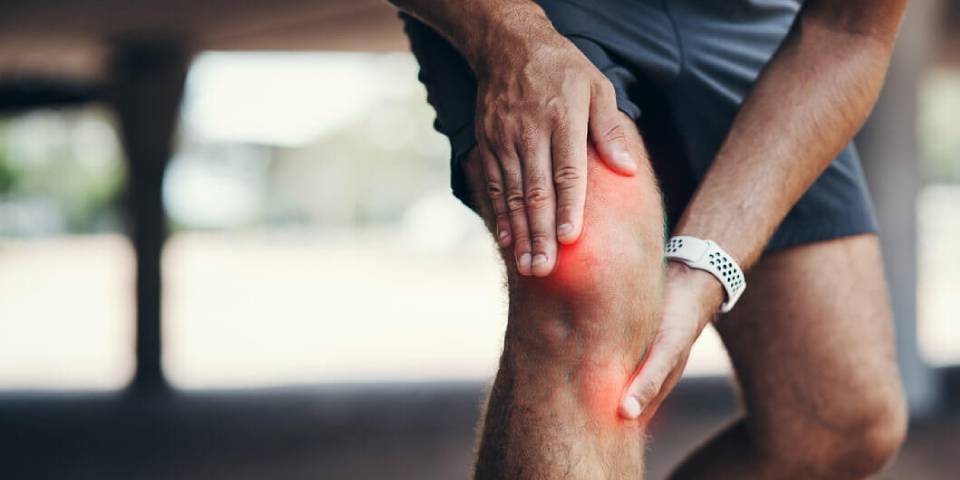
Gout is a type of arthritis that causes sudden, severe pain in your joints. It happens when too much uric acid builds up in your blood and forms sharp, needle-like crystals in the joints. This causes extreme pain, swelling, redness, and warmth in the affected area.
In simple words — gout is like having tiny glass pieces stuck inside your joint. The pain can be so intense that even the weight of a bedsheet feels unbearable.
The medical term for gout is gouty arthritis, and a severe episode is called a gout attack or gout flare. The condition is also known as podagra when it specifically affects the big toe.
What Causes Gout?
Gout is caused by a condition called hyperuricemia — high levels of uric acid in the blood. When your body either produces too much uric acid or removes too little of it through kidneys, the excess acid forms crystals that deposit in joints.
✧ Common Triggers
- Eating red meat and shellfish
- Drinking alcohol (especially beer)
Sugary drinks (fructose) - Dehydration
- Sudden illness or surgery
✧ Medical Risk Factors
- Kidney disease
- High blood pressure
- Diabetes and obesity
- Certain medications (diuretics)
- Family history of gout
➜ What is the main cause of gout?
The root cause is a high level of uric acid in the blood. Uric acid is a natural waste product formed when the body breaks down substances called purines — found in many foods and drinks. Normally, uric acid dissolves in blood and passes out through urine. But when there is too much of it, it cannot dissolve properly.
➜ What causes gout in women?
Before menopause, women have lower uric acid levels due to estrogen. After menopause, estrogen levels drop, uric acid rises, and gout risk increases. Women who take diuretics (water pills) for blood pressure are also at higher risk.
Symptoms of Gout
Gout symptoms usually come on suddenly and without warning — often at night. Here are the main signs and symptoms:
➢ Intense Joint Pain
Severe pain that starts suddenly, usually in the big toe, ankle, or knee. Pain is worst in first 4–12 hours.
➢ Limited Movement
Difficulty moving the affected joint normally due to pain
and stiffness.
➢ Swelling & Redness
The joint becomes swollen, red, hot, and tender.
Even light touch can feel very painful.
➢ Lingering Discomfort
After the worst pain fades, some joint discomfort may last for days or weeks.
When to See a Doctor Immediately
If you have severe joint pain with fever, chills, or a very hot, swollen joint — see a doctor right away. These can be signs of a serious joint infection (septic arthritis), which needs urgent treatment.
- Gout symptoms in feet: Pain in the big toe is the most classic sign. The ankle and heel are also commonly affected. Gout in the foot causes redness, warmth, and makes walking very difficult.
- Gout in ankle symptoms: Swollen ankle, warmth around the ankle joint, difficulty walking or standing. Gout in the ankle is sometimes confused with a sprained ankle.
Types & Stages of Gout
Gout develops in stages. Understanding these stages helps you know how serious your condition is and what treatment is needed.
01
Acute Gout
Sudden severe pain flare, lasts 3–10 days. Needs fast treatment.
02
Interval Gout
Period between attacks — no symptoms, but crystals remain.
03
Chronic Gout
Repeated attacks, joint damage, hard deposits (tophi) form.
Can gout be cured? Yes — gout is one of the few types of arthritis that can be effectively controlled and, with proper treatment, many people never have another attack. The key is keeping uric acid levels low through medication, diet changes, and lifestyle improvements.
Uric Acid Levels in Gout
Can gout be cured? Yes — gout is one of the few types of arthritis that can be effectively controlled and, with proper treatment, many people never have another attack. The key is keeping uric acid levels low through medication, diet changes, and lifestyle improvements.
Best Medicines for Gout Pain Relief
There are two goals when treating gout with medicine: (1) stop the pain of a current attack, and (2) prevent future attacks by lowering uric acid levels over time.
A. For Immediate / Acute Gout Pain Relief
B. Medicines for Long-Term Uric Acid Control
What is the best medicine for gout? The best medicine depends on the stage. For acute attacks — Colchicine or NSAIDs. For long-term prevention — Allopurinol is the gold standard. Your doctor will decide what’s right for you based on your uric acid levels, kidney function, and other health conditions.
Important
Never start or stop gout medicines on your own. Starting uric acid-lowering drugs during an active attack can actually make the pain worse. Always consult a doctor first.
Home Remedies for Immediate Gout Pain Relief
While medicines are most effective, these home remedies can help you manage gout pain faster, especially while waiting for your medicine to work or to see a doctor.
1. Ice Pack
Apply a cloth-wrapped ice pack to the painful joint for 15–20 minutes. Reduces swelling and numbs pain. Do this 2–3 times a day.
4. Lemon Water
Squeeze half a lemon into warm water and drink each morning. Helps make urine more alkaline, which helps kidneys remove uric acid better.
2. Drink Lots of Water
Drink 8–12 glasses of water daily. Water helps kidneys flush out excess uric acid through urine — one of the easiest natural ways to reduce uric acid.
5. Apple Cider Vinegar
Mix 1–2 teaspoons of ACV in a glass of water. Its alkalizing effect may help reduce uric acid levels over time. Do not take on empty stomach.
3. Tart Cherry Juice
Cherries contain antioxidants (anthocyanins) that help reduce inflammation and lower uric acid levels. Drink unsweetened cherry juice daily.
6. Elevate the Joint
Keep the affected foot or joint raised above heart level while resting. This helps reduce blood flow to the swollen area and decreases pain.
Rest is Essential
During a gout flare, rest the affected joint completely. Avoid walking or putting pressure on a painful gout toe or ankle. Even a few hours of rest can help reduce the intensity of a gout attack.
Self-Care Steps During a Gout Attack
- Stop all activities — rest the painful joint completely
- Apply an ice pack wrapped in a towel (never ice directly on skin)
- Elevate the foot or joint above heart level if possible
- Drink at least 2–3 glasses of water immediately
- Take your prescribed NSAID or Colchicine as directed by your doctor
- Avoid alcohol, red meat, and seafood during the flare
- Contact your doctor if pain does not improve in 24–48 hours
Gout Diet: What to Eat & Avoid
Foods to Avoid (High Purine)
- Red meat (beef, lamb, pork)
- Organ meats (liver, kidney)
- Shellfish (prawns, crab, lobster)
- Beer and alcohol
- Sugary sodas and fruit juices
- Processed foods and fast food
- Oily fish in excess (sardines, anchovies)
- Too much dal and legumes
Foods to Eat (Gout-Friendly)
- Water (8–12 glasses daily)
- Cherries and berries
- Low-fat milk and yogurt
- Whole grains (roti, oats)
- Vegetables (except spinach in excess)
- Eggs and tofu (low purine)
- Citrus fruits (lemon, orange)
- Coffee in moderation
What you eat directly affects your uric acid levels. Patients who follow a gout-friendly diet and stay well hydrated can reduce the frequency of gout attacks by up to 50%
Quick Diet Tips for Indian Patients
Indian Diet Tips for Gout
Avoid high-purine dals like masoor and rajma in large quantities. Choose moong dal and toor dal instead. Avoid mutton curry and non-veg gravies during flares. Drink plenty of water with meals. Turmeric (haldi) has anti-inflammatory properties and can be safely included in your diet.
Best Orthopedic Doctor in Patna for Gout Treatment
If you are suffering from gout, joint pain, or high uric acid and looking for expert care in Patna, Bihar — we highly recommend consulting Dr. Ashwini Gaurav, one of the most trusted and experienced orthopedic specialists in Patna.
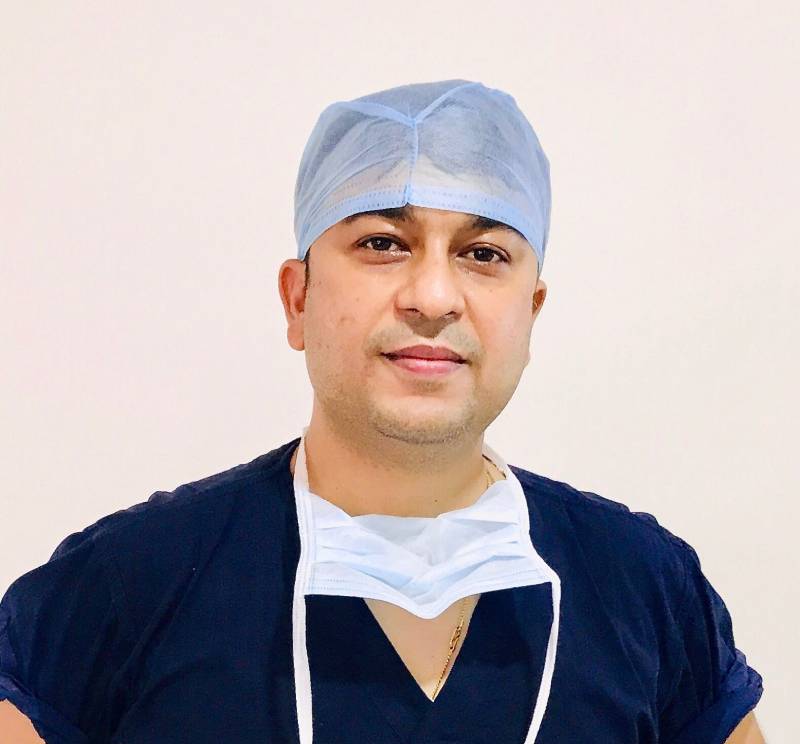
Dr Ashwini Gaurav - Senior Orthopedic Surgeon & Joint Specialist, Patna, Bihar
Dr. Ashwini Gaurav is a highly experienced orthopedic specialist with expertise in treating gout, arthritis, joint pain, and uric acid disorders. He is known for his patient-friendly approach, accurate diagnosis, and effective treatment plans that provide fast and lasting relief.
- Expert in Gout, Gouty Arthritis & Joint Pain
- Experienced in Acute Gout Attack Management
- Specializes in Uric Acid Disorders & Chronic Gout
- Provides both Medication & Lifestyle Guidance
- Available for Consultation in Patna
Conclusion: Take Control of Your Gout Today
You should book a consultation if: you have repeated gout attacks (more than 2 per year), your uric acid levels remain high despite home remedies and diet, you have joint pain that has not improved in 48 hours, you notice hard lumps (tophi) near your joints, or you experience gout symptoms for the first time and need a proper diagnosis and treatment plan.
Getting professional medical guidance is essential for proper gout management. Dr. Ashwini Garava will assess your uric acid levels, diagnose the type and stage of gout, and create a personalized treatment plan that includes the right medicines, diet advice, and lifestyle changes to prevent future gout attacks.
When to Visit Dr. Ashwini Gaurav for Gout?
Gout is painful — but it is also one of the most manageable and preventable forms of arthritis. The key steps are:
Short-Term Relief
- Rest the painful joint
- Apply ice packs
- Take prescribed NSAIDs or Colchicine
- Drink lots of water
Long-Term Prevention
- Avoid high-purine foods
- Take uric acid lowering drugs
- Maintain healthy weight
- Stay hydrated every day
Remember — never ignore repeated gout attacks. Untreated chronic gout can permanently damage your joints. With the right treatment from an expert like Dr. Ashwini Gaurav in Patna, you can bring your uric acid under control and live a pain-free life.
Frequently Asked Questions About Gout
Gout itself is not fatal. But if left untreated for a very long time, chronic gout can damage joints permanently and may affect the kidneys (uric acid kidney stones). People with gout also tend to have higher risk of heart disease and high blood pressure — so managing it properly is very important for overall health.
Arthritis is a general term for joint inflammation. Gout is a specific type of arthritis caused by uric acid crystals. Regular arthritis (osteoarthritis) is due to wear and tear of cartilage. Gout causes sudden attacks of severe pain, while osteoarthritis is gradual. Gout is also treatable and preventable, while osteoarthritis is more of a wear-and-tear condition.
A gout attack (also called a gout flare) is a sudden episode of intense joint pain, swelling, and redness caused by uric acid crystals irritating the joint. Attacks typically last 3–10 days and then go away on their own — but without treatment, they come back more frequently and become more severe.
The most accurate test is a joint fluid analysis — where a doctor takes a small sample of fluid from the swollen joint and looks for uric acid crystals under a microscope. A blood test for uric acid levels is also done. Imaging like X-ray or ultrasound may show joint damage or crystal deposits in chronic gout.
Gout is a painful joint disease caused by high uric acid in the blood. In Hindi, it is sometimes called “वातरक्त” (Vata Rakta) or simply “गाउट.” The uric acid forms needle-like crystals in joints, especially in the big toe, causing sudden and severe pain, swelling, and redness.
You can start with a general physician or family doctor for initial treatment. For complex or chronic gout, see a Rheumatologist (joint disease specialist) or an Orthopedic doctor. If gout has caused joint damage requiring surgery, an orthopedic surgeon is the right specialist.
Early warning signs include mild joint aches (especially in the big toe or ankle), occasional swelling or redness in a joint, and a blood test showing uric acid above 7 mg/dL even without symptoms. These are signs to start diet changes and consult a doctor before a full gout attack develops.
