

- 25/06/2026
- Dr. Ashwini Gaurav
- 0 Comments
- Blog
Spondylosis vs. Spondylitis: Which Is More Severe?
Spine problems are very common in India today. Whether you are a young IT professional sitting for hours, a middle-aged housewife, or a senior citizen — back pain and neck pain can affect anyone.
Dr. Ashwini Gaurav, the Best Spine Doctor In Patna with over 15+ years of experience in treating spine and bone-related conditions, practices at Jeevandan Hospital — one of the Best Orthopedic Hospital In Patna. Dr. Gaurav treats hundreds of patients every month who come with complaints like neck pain, back stiffness, and leg numbness.
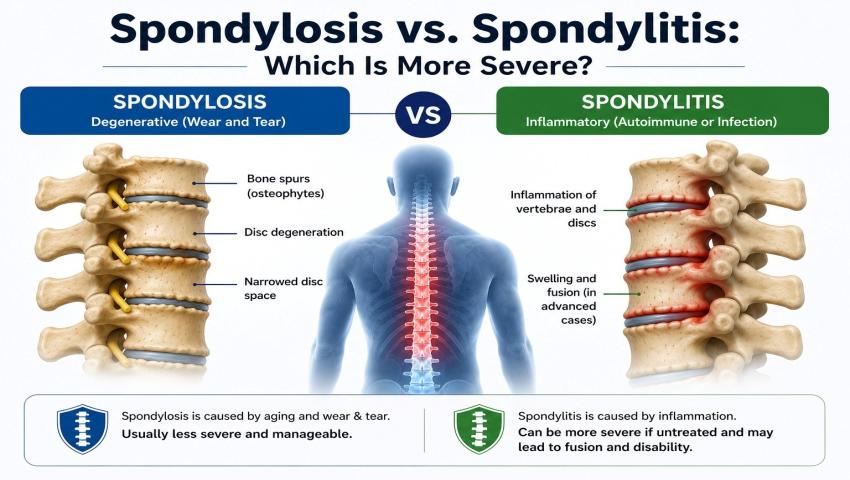
Two conditions that confuse most patients — and even some general physicians — are Spondylosis and Spondylitis. They sound similar, but they are very different in terms of cause, severity, and treatment. In short, Spondylitis is generally more severe than Spondylosis — Spondylosis is an age-related wear and tear condition that develops slowly and is usually manageable, while Spondylitis (especially Ankylosing Spondylitis) is an autoimmune condition that often starts at a young age, progresses faster if untreated, and can affect other organs along with the spine.
This blog explains Spondylosis vs. Spondylitis in simple language so that you can understand what is happening in your body and what steps to take next.
Spondylosis vs. Spondylitis : Which Is More Severe?
This is the big question. Based on clinical experience of 15+ years treating spine patients at Jeevandan Hospital, here is a clear comparison:
Spondylosis is more common, but in most cases, it is manageable with medicines and physiotherapy. Most patients live a good quality life.
Spondylitis (especially Ankylosing Spondylitis) is less common but more serious. It affects young people, can progress fast if untreated, involves other organs, and can lead to permanent spinal fusion and disability.
Spondylitis is generally more severe, especially if not diagnosed and treated early. This is why early ankylosing spondylitis diagnosis is so important.
What Is Spondylosis?
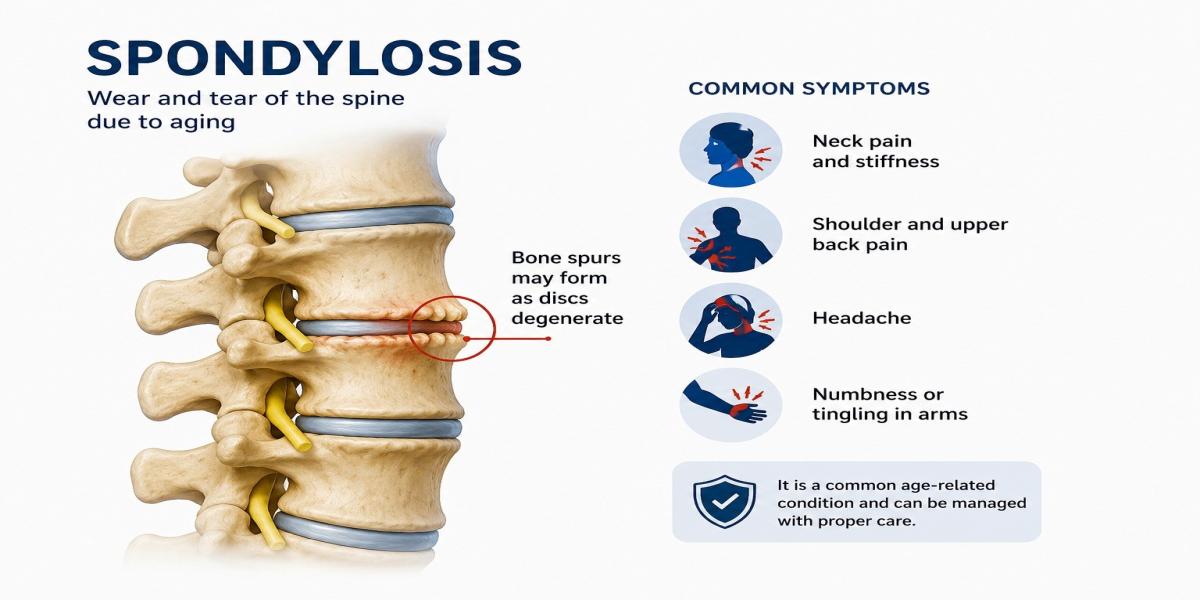
Spondylosis means age-related wear and tear of the spine. Just like your vehicle tyres wear out over time, the bones and discs in your spine also wear down as you get older.
The spondylosis definition in simple words: it is a degenerative condition where the cartilage between spine bones breaks down, and bony growths (called bone spurs) develop. This puts pressure on the nerves.
There are different types based on location:
- Cervical Spondylosis – affects the neck area
- Lumbar Spondylosis Disease – affects the lower back
- Lumbosacral Spondylosis – affects the lower back and the joint where spine meets the hip bone
This is one of the most common reasons why people search for a spinal cord specialist or cervical doctors near me.
What Is Spondylitis?
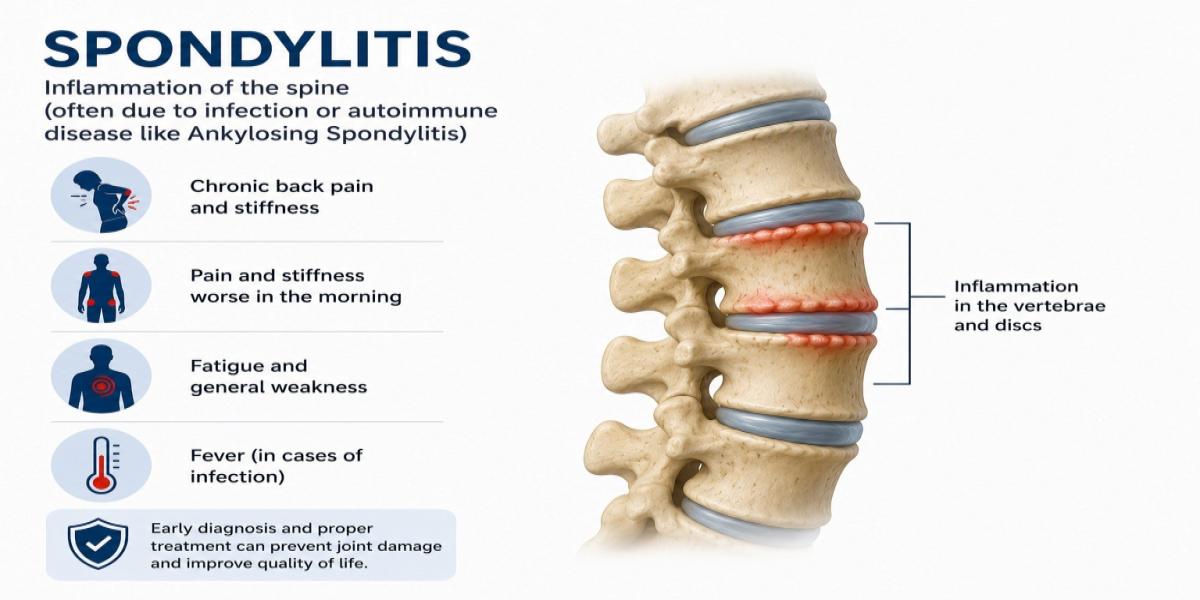
Spondylitis is an inflammatory condition of the spine. It is NOT caused by aging — it is caused by your own immune system attacking your spinal joints by mistake. This is called an autoimmune disease.
The most common and serious form is Ankylosing Spondylitis (AS). Ankylosing Spondylitis meaning in simple words: “ankylosing” means fusing or stiffening, and over time this disease can cause the spine bones to fuse together, making the spine rigid like a bamboo stick.
What is Ankylosing Spondylitis? It is a long-term, progressive inflammatory disease that mostly affects the spine and the sacroiliac joints (the joints between your lower spine and pelvis). It can also affect your eyes, heart, and lungs in some cases.
Causes – What Causes These Conditions?
Spondylosis Causes:
- Age is the biggest spondylosis cause — most people above 40 show some signs
- Poor posture while sitting or sleeping
- Long hours working on computers or phones (very common today!)
- Heavy physical labour or lifting
- Old injuries to the neck or back
- Obesity putting extra load on spine
The causes of cervical spondylosis specifically include long-term neck strain, wrong sleeping positions, and constant looking down at mobile phones — something doctors are now calling “tech neck.”
Lumbosacral Spondylosis causes and lumbar spondylosis reasons include prolonged sitting, heavy lifting, and being overweight.
Spondylitis Causes:
- Genetic factor — especially the HLA-B27 gene is found in most Ankylosing Spondylitis patients
- Family history of the disease
- Gut infections that may trigger immune response
- Ankylosing Spondylitis causes are not fully known, but genetics plays the biggest role
Symptoms – How Do They Feel?
Symptoms of Cervical Spondylosis:
If you are wondering what causes pain in the neck, cervical spondylosis is one of the top reasons. Common cervical disorders symptoms include:
- Stiffness and pain in the neck
- Pain that travels to shoulders and arms
- Numbness or tingling in fingers
- Headaches, especially at the back of the head
- Difficulty turning your neck
- In serious cases — weakness in arms or legs
Symptoms of Spondylitis:
- Dull, aching pain in lower back or buttocks
- Morning stiffness that lasts more than 30 minutes and actually improves with movement (this is a key difference from spondylosis!)
- Fatigue and tiredness
- Pain that wakes you up at night
- Eye inflammation (redness, pain in eyes) — called uveitis
Ankylosing Spondylitis Symptoms:
- Chronic lower back and hip pain, especially in young adults (20s–30s)
- Stooped posture over time
- Reduced chest expansion (difficulty breathing deeply)
- Heel pain
- In advanced cases — spine becomes completely stiff (bamboo spine)
Diagnosis – How Are They Detected?
For Spondylosis:
- X-ray shows bone spurs and disc space reduction
- MRI gives detailed image of nerve compression
- Physical examination by an orthopedic doctor
Ankylosing Spondylitis Diagnosis:
- Ankylosing Spondylitis Blood Test — HLA-B27 gene test, ESR (inflammation marker), CRP test
- MRI of sacroiliac joints — early inflammation shows here before X-ray can detect it
- X-ray of spine — in later stages shows typical “bamboo spine” appearance
- Physical examination for spinal flexibility
If you have had unexplained back pain for more than 3 months and you are under 40, please do not ignore it. Come and get a proper ankylosing spondylitis diagnosis done early.
Treatment – How to Cure this conditions:
How to Cure Cervical Spondylosis?
The truth is — cervical spondylosis cannot be completely reversed because it is age-related. But with proper treatment, patients can live a very normal, pain-free life.
How to cure spondylosis (manage it effectively)?
- Medicines: NSAIDs (pain and inflammation relief), muscle relaxants
- Physiotherapy: Neck exercises, hot/cold therapy, traction
- Posture correction: Ergonomic chairs, correct pillow height
- Lifestyle changes: Weight loss, regular walking
- Surgery: Only in severe nerve compression cases
How to get relief of neck pain at home?
- Apply warm compress on neck for 10–15 minutes
- Gentle neck stretches (only after consulting your doctor)
- Avoid looking down at phone for long periods
- Use a firm pillow that supports your neck curve
Lumbosacral Spondylosis Treatment:
- Physiotherapy and core strengthening exercises
- Pain medications
- Epidural injections in some cases
- Surgery if spinal canal is too narrow
Ankylosing Spondylitis Treatment:
How to Cure Spondylitis?
Is spondylitis curable? This is one of the most asked questions. Currently, ankylosing spondylitis is not completely curable, but it can be very well controlled with the right treatment.
Is ankylosing spondylitis curable? Not yet — but modern medicine has made huge progress. With proper treatment, patients can live active, fulfilling lives.
Ankylosing Spondylitis Treatment includes:
- NSAIDs — first line of treatment for pain and stiffness
- DMARDs (Disease-Modifying Anti-Rheumatic Drugs) — slow disease progression
- Biologics / TNF Inhibitors — very effective medicine for ankylosing spondylitis in moderate to severe cases. These are injection-based treatments that target the immune system
- Physiotherapy — daily exercises to maintain spine flexibility are extremely important
- Ankylosing Spondylitis Therapy — hydrotherapy, breathing exercises, yoga (under supervision)
- Ankylosing Spondylitis Remedy — no home remedy can cure it, but warm baths, swimming, and anti-inflammatory diet can help alongside medicines
Prevention & Lifestyle Tips:
- Exercise daily — even a 30-minute walk helps keep your spine healthy
- Maintain good posture — sit straight, don’t hunch over your phone or laptop
- Sleep on a firm mattress with proper neck support
- Stay at a healthy weight — extra weight puts huge pressure on your lumbar spine
- Quit smoking — smoking worsens both spondylosis and ankylosing spondylitis
- Eat anti-inflammatory food — turmeric, ginger, green vegetables, omega-3 rich food
- Do not ignore early symptoms — early treatment gives the best results
Conclusion – When to See a Doctor?
If you have back pain or neck pain that is not going away, morning stiffness that lasts more than 30 minutes, or pain that is disturbing your sleep — please do not wait.
Both spondylosis and ankylosing spondylitis respond much better when treated early. A spinal cord specialist can find the right diagnosis and the right treatment plan for each specific condition — not a one-size-fits-all solution.
Visit Dr. Ashwini Gaurav at Jeevandan Hospital, Patna — the Best Orthopedic Hospital In Patna — for expert consultation. With 15+ years of experience as the Best Orthopedic Doctor In Patna, Dr. Gaurav and his team are here to help you walk pain-free again.
Book an Appointment with Dr. Ashwini Gaurav today and take the first step towards a pain-free spine.