

- 19/10/2025
- Dr. Ashwini Gaurav
- 0 Comments
- Blog
Managing Knee Pain in Winter: What You Need to Know
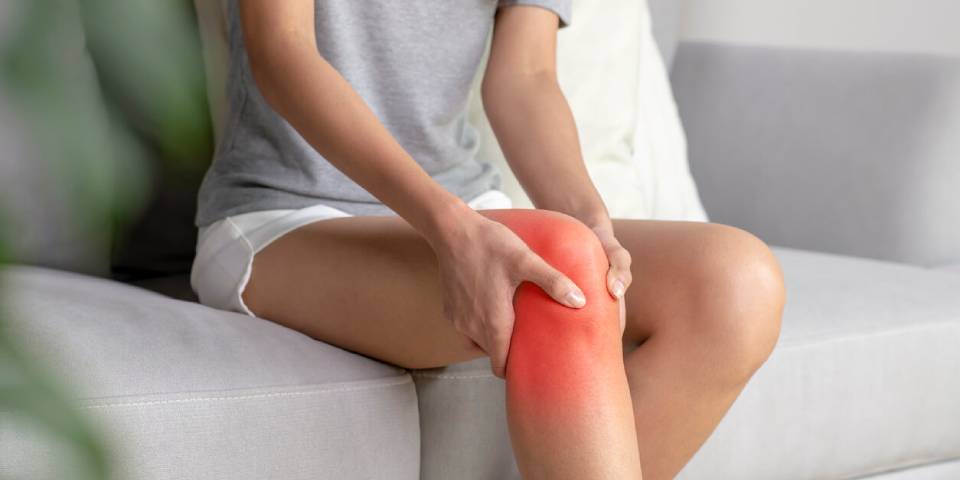
With the approach of colder weather, many people in India, especially in places like Patna, tend to begin feeling their familiar ache and stiffness in their joints. Knee pain in winter is a complaint that often is heard, especially from individuals with arthritis or a prior injury. The combination of cold weather and reduced physical activity can make simple movements painful.
According to Dr. Ashwini Gaurav, a prominent Orthopedic Specialist in Patna and Joint Replacement Surgeon in Patna, winter’s cold weather response often causes increased stiffness, discomfort in the joints, and decreased flexibility. With extensive experience in arthritis, joint pain, and knee replacement surgery, Dr. Gaurav gives functional information on why knee pain gets worse with colder weather—and what to do about it.
Why Does Knee Pain Increase in Winter?
One of the most frequently asked questions is, “Why do my knees hurt more in cold weather?”
According to Dr. Ashwini Gaurav, the connection between cold temperatures and joint pain in winter lies in how our body reacts to the drop in temperature. The cold causes blood vessels to constrict, reducing blood flow to muscles and joints, which increases stiffness.
Additionally, lower atmospheric pressure can make joint tissues expand slightly, leading to more pain, particularly in those with arthritis. Another factor is reduced sunlight, leading to vitamin D deficiency, which affects bone strength and joint health. The combination of reduced activity, low temperature, and lack of sunlight makes knee pain during winter worse for many people.
Common Causes of Knee Pain in Winter:
Common Reasons for Knee Pain in Winter Pain in the knee can be exacerbated in winter by a number of different reasons and habits.
- Osteoarthritis and Rheumatoid Arthritis: Individuals suffering from arthritis will have a greater inflammatory effect in their joints, and cold weather can worsen their symptoms. Cartilage, which is the soft tissue covering the bone surfaces of the knee joint, is more sensitive in cold weather, causing pain when trying to move your knee.
- Old Injuries and Post-Surgical Stiffness: If someone has had a prior injury to their knee or a knee operation, it is common to experience stiffness when the temperature is lower, as the joint tissues can tighten in cooler temperatures.
- Less Activity During the Cold Months: In winter, we are less active during cold months. Less activity can weaken the supporting muscles you have around your knee joint, which results in worsening knee pain in winter.
- Low Levels of Vitamin D and Calcium: Reduced exposure to the sun results in a decrease in vitamin D that affects the amount of calcium available for absorption in your body and decreases the strength of your joints.
Dr. Ashwini Gaurav encourages patients to work on mild exercises and physiotherapy to maintain the flexibility of the knees, especially in the winter, to limit the response of knee pain this winter.
Symptoms to Watch Out For:
If you notice these symptoms during winter, it’s time to take action:
- Morning stiffness lasting longer than usual
- Swelling and pain while walking or climbing stairs
- Clicking or grinding sounds in the knee joint
- Redness or warmth around the joint
How Cold Weather Affects Your Joints?
Scientifically, cold weather impacts the body’s circulatory and musculoskeletal systems. The cold constricts blood vessels, reducing the supply of oxygen and nutrients to joint tissues. This leads to stiffness and pain.
Joint fluid, which acts as a lubricant, thickens in low temperatures, reducing smooth movement. This is why joint pain during winter is more intense in regions like Patna, where the winter can be quite chilly and damp.
Effective Ways to Manage Knee Pain in Winter:
While winter knee pain can be frustrating, several effective strategies can help you stay active and comfortable.
- Stay Active: Engage in low-impact exercises like walking, yoga, or swimming. Movement increases blood circulation and keeps the joints flexible.
- Keep Warm: Wear warm clothing, knee sleeves, or thermal supports to maintain joint temperature.
- Balanced Diet: Include foods rich in calcium, vitamin D, omega-3 fatty acids, and antioxidants to strengthen bones and reduce inflammation.
- Expert Tips from Dr. Ashwini Gaurav: Dr. Gaurav emphasizes the importance of gentle daily stretching, maintaining a healthy weight, and not sitting for prolonged periods during the cold season.
Home Remedies for Knee Pain Relief in Winter:
Many people look for natural and home-based solutions for knee joint pain in cold weather. Here are some effective options:
- Warm Compress and Oil Massage: Improves blood flow and relaxes stiff muscles.
- Epsom Salt Bath: Provides magnesium that eases muscle tension.
- Turmeric Milk: Curcumin in turmeric has anti-inflammatory properties.
- Hydration: Drinking enough water keeps joint fluid thin and lubricated.
- Gentle Stretching: Morning stretches reduce stiffness.
Medical Treatments and When to See a Doctor?
When self-care doesn’t relieve pain, it’s time to consult an orthopedic specialist.
Dr. Ashwini Gaurav, the Best Knee Replacement Surgeon in Patna, offers advanced treatment options including:
- Physiotherapy: To strengthen surrounding muscles and improve mobility.
- Medications and Injections: Anti-inflammatory drugs or hyaluronic acid injections to reduce pain and improve joint lubrication.
- Arthroscopy and Knee Replacement Surgery: For chronic conditions or severe arthritis cases.
Preventive Tips for Winter Joint Health:
Maintaining joint health during winter requires preventive care.
- Keep Joints Warm: Use thermal wraps or hot water bags.
- Maintain a Healthy Weight: Reduces stress on knees.
- Get Regular Check-ups: Visit Ashwini Gaurav for early detection and prevention of complications.
- Vitamin D Supplementation: Take supplements during low sunlight months after consulting your doctor.
- Adopt Joint-Friendly Habits: Avoid sitting for long periods; stretch frequently.
Myths vs Facts About Knee Pain in Winter:
There are many misunderstandings regarding knee pain in the winter that should be clarified. One widely believed myth is that only older adults experience joint pain due to cold weather. According to Dr. Ashwini Gaurav, younger individuals may also experience knee pain if they lead a sedentary lifestyle or had a sports injury previously. Another prominent myth about knee pain is that exercise can exacerbate pain in the knee.
In fact, moderate, consistent physical exercise allows you to strengthen muscle for better joint support, help improve joint range of motion, and may alleviate stiffness. Further, using pain medication as a solution for knee discomfort is not a viable long-term solution. You may consider getting a proper assessment, booking a physiotherapist, and maintaining a healthy lifestyle with your return to work or athletics. Dr. Gaurav notes that regular movement, keeping warm, and treatment at the start of symptoms can reduce the likelihood of knee pain returning in winter, and will keep your knee joints happy and healthy throughout the season!!
The Importance of Physiotherapy for Knee Pain in the Winter:
Physiotherapy tends to be a major contributor to returning function and alleviating symptoms.
- Heat: Increases vascularity and eases muscle stiffness.
- Ultrasound & Electrotherapy: Alleviate swelling and the sensation of pain.
- Strengthening Exercises: Improves stability of the knee and reduces the risk of injury.
Through established physiotherapy plans with proper oversight, clients are able to manage the effects of their joint pain in the winter months.
Ayurveda and Natural Solutions to Aid Joint Health:
India’s traditional medicine has certain natural remedie for joint discomfort in the colder months:
- Oils: Use sesame or ashwagandha oil for joint massage.
- Turmeric and Ginger: Work naturally as an anti-inflamatory.
- Ashwagandha: Benefits bones and joints, but is also safe.
- Dietary Suggestions: Ghee, lentils, and leafy greens to improve lubrication of the joints.
Bringing together ayurveda with a standard orthopedic treatment plan under expert supervision with someone like Dr. Ashwini Gaurav can lead to a better holistic outcome for those with knee pain during the cold weather.
When Knee Pain Could Be a Sign of a Serious Issue?
Certain symptoms should not be ignored:
- Persistent swelling or redness
- Difficulty bending or straightening the knee
- Locking or instability
- Post-injury pain that doesn’t improve
These signs may indicate ligament tears, meniscus injury, or advanced arthritis. In such cases, Dr. Ashwini Gaurav, an experienced Joint Replacement Surgeon in Patna, recommends diagnostic imaging like MRI or X-rays to plan proper treatment.
Conclusion:
Winter knee pain can be a common concern; however, it’s something we can manage effectively. Once the causes are clarified and some recommendations have been introduced, you can treat some of it effectively and get through the winter having been both active and pain-free. Staying warm, moving, eating a healthy diet, and seeing your doctor when indicated, are small steps that we can take for big rewards. For those suffering from persistent joint pain in the winter, it’s critical you see an experienced specialist. Dr. Ashwini Gaurav, the Best Orthopedic Doctor in Patna offers advanced, customized care for patients suffering from arthritis, joint pain, and who need a knee replacement. His experience will enable you to get an accurate diagnosis, pick the correct treatment to help them recover, and return to life again, for all patients across Bihar.
So, don’t let the cold winter stop your movement—be aware of your joints, stay warm, and move with confidence with orthopedic care. Visit Ortho Patna Clinic to get expert orthopedic care and personalized treatment for your bone and joint problems. Don’t let the cold winter stop your movement—be aware of your joints, stay warm, and move with confidence. Contact Dr. Ashwini Gaurav today for a comprehensive orthopedic consultation and effective knee pain treatment in Patna.
