

- 17/03/2021
- Dr. Ashwini Gaurav
- 0 Comments
- Uncategorized
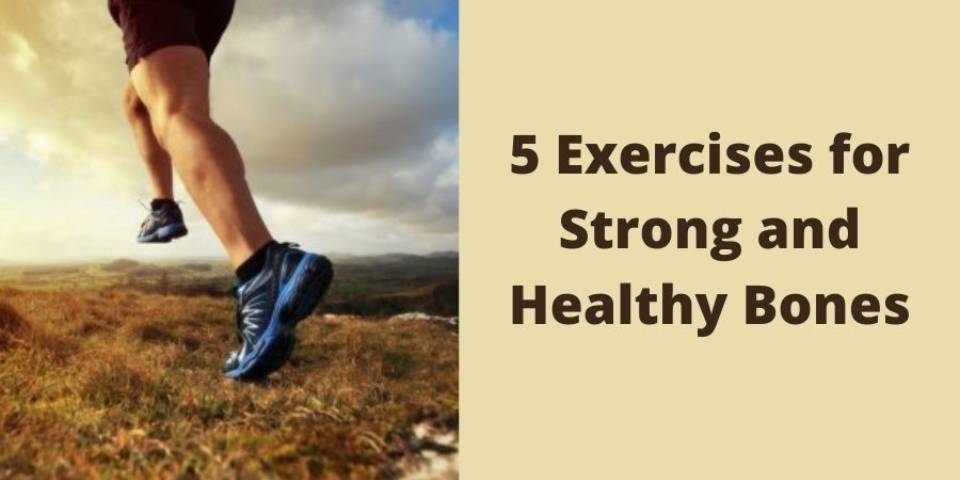
How to Make Bones Strong: 5 Bone Strength Exercises You Need to Try
Introduction: How to Increase the Strength of Bones
Are you worried about your bone health as you get older? Many people believe that weak bones and fractures are a natural part of aging, but this is a common myth. Knowing how to make bones strong is important at every age, whether you are in your 30s or your 60s. According to Dr. Ashwini Gaurav, the best Orthopedic Doctor in Patna, regular exercise is just as important as proper nutrition when learning how strengthen bones naturally.
In India, back pain and hip fractures after minor falls are often linked to osteoporosis, a silent condition that gradually weakens bones. Bone mass usually peaks in the late 20s or early 30s, and after the age of 30, bone loss begins slowly. This makes early prevention and the right guidance essential for maintaining mobility, protecting vital organs, and living an active, independent life.
How Exercise Helps in Making Bones Stronger Naturally
Bones are living tissues. Just like your muscles get bigger when you lift weights, your bones get denser when they are put under stress. This process is called bone remodeling.
When you perform a bone strengthening exercise, the mechanical pull of the muscles and the impact of the ground stimulate your body to deposit more calcium and minerals into the bone matrix. To effectively strengthen bones, you need two types of activities:
- Weight-bearing exercises: Where your feet and legs support your body weight against gravity.
- Resistance training: Where you use weights or bands to pull on the bones.
Exercise 1: Walking – The Easiest Way to Strengthen Bones
If you are looking for the simplest weight-bearing exercise, look no further than your own front door. Brisk walking is an excellent way to start. It provides a consistent, low-impact “jolt” to your hip and leg bones, telling them to stay strong.
- How to do it: Walk at a pace where your heart rate increases but you can still talk. Aim for at least 30 minutes, 5 days a week.
- Why it works: It specifically targets the hips, which are the most common site for osteoporosis fractures.
Exercise 2: Squats – Build Strong Bones in Legs and Hips
Squats are a powerhouse bone strength exercise. They target the largest bones in your body—the femur (thigh bone) and the pelvis. By using your own body weight as resistance, you effectively increase strength of bones in the lower body.
- How to do it: Stand with feet hip-width apart. Lower your hips as if sitting in an invisible chair, keeping your back straight.
- Dr. Ashwini’s Tip: If you find it hard, start with “Sit-to-Stand” using a sturdy dining chair.
Exercise 3: Lunges – Improve Balance and Bone Density
Lunges are one of the best exercises for bone strength because they challenge your balance. Improving balance is a key part of osteoporosis exercise because it prevents falls, which are the leading cause of fractures.
- How to do it: Take a big step forward and lower your hips until both knees are bent at about a 90-degree angle.
- Benefit: This creates “multi-directional” stress on the hip joint, which is vital for how to improve bone density naturally.
Exercise 4: Push-Ups – Strengthen Arm, Shoulder, and Spine Bones
Many people forget their upper body when thinking about how strengthen bones. Push-ups are a fantastic way to put weight through your wrists, elbows, and shoulders.
- How to do it: If a floor push-up is too difficult, start with Wall Push-ups. Stand arm’s length from a wall, place your palms flat, and lean in and out.
- Why it matters: This helps prevent bone loss exercise in the upper spine and wrists, areas often affected by age-related thinning.
Exercise 5: Resistance Band or Weight Training for Bone Health
To truly see a change in how to increase bone density naturally, you must eventually add some external resistance. Using resistance bands or small dumbbells (even filled water bottles!) forces your muscles to pull harder on the bones.
- The Science: This tension signals the “bone-building” cells (osteoblasts) to get to work.
- Frequency: Aim for 2–3 sessions per week, allowing a day of rest in between for your tissues to recover.
Tips to Get the Best Results from Bone Strength Exercises
To get the most out of your bone strength exercises, keep these three points in mind:
- Consistency is Key: Bone tissue takes time to grow. You need to stay regular for at least 4–6 months to see real density changes.
- Pair with Nutrition: Exercise won’t work without the right “bricks.” Ensure you are getting enough Calcium (from curd, milk, or ragi) and Vitamin D (from sunlight or supplements).
- Progressive Overload: Once an exercise feels easy, increase the repetitions or add a little more weight.
Who Should Do These Exercises and Safety Tips
While these are bone strengthening exercises for almost everyone, safety comes first:
- If you have Osteoporosis: Avoid jerky movements or deep forward bends. Focus on low-impact weight bearing exercises and always consult your doctor first.
- For Seniors: Start slow. Use a chair or wall for support to avoid any risk of falling.
- Wear Good Shoes: Proper footwear with cushioning protects your joints while you focus on your bones.
When Exercises Are Not Enough: Book an Appointment
While lifestyle changes are vital, sometimes exercise of osteoporosis or bone loss exercise alone isn’t enough to manage severe pain or advanced bone degeneration. If you are experiencing persistent joint pain, difficulty walking, or have been diagnosed with a severe bone condition, it is time to seek expert medical advice.
Dr. Ashwini Gaurav is a renowned Orthopedic & Joint Replacement Surgeon in Patna, specializing in hip and knee care. If your exercises are not providing relief, or if you need a professional assessment of your bone health, don’t wait for the pain to get worse.
Book an Appointment with Dr. Ashwini Gaurav:
- Clinic: Jeevandan Health OPD
- Location: Pillar No. 140, Bailey Road, RPS More, Patna, Bihar.
- Contact: +91 9386737895
