

- 17/04/2026
- Dr. Ashwini Gaurav
- 0 Comments
- Blog
Chronic Inflammation: Why It Happens and How to Reduce It?
In the medical world, we often hear the term inflammation. But what is inflammation exactly? At its core, inflammation’s meaning is simply the body’s natural defense system. It is how your immune system responds to an irritant, infection, or injury.
However, when this defense mechanism doesn’t turn off, it becomes a silent health issue. If you are struggling with persistent aches or stiffness, consulting an expert is vital. Dr. Ashwini Gaurav, the Best Orthopedic Doctor in Patna with over 15 years of experience, specializes in managing conditions triggered by long-term inflammation. Practicing at Jeevandan Hospital in Patna, Dr. Gaurav helps patients regain mobility by addressing the root causes of inflammation.
What Is Chronic Inflammation?
To understand the chronic version, we must first look at the two main types of inflammation:
- Acute Inflammation: This is the “good” kind. It’s the redness and swelling you see after a cut or a bee sting. It starts rapidly and becomes severe quickly, but symptoms resolve in a few days.
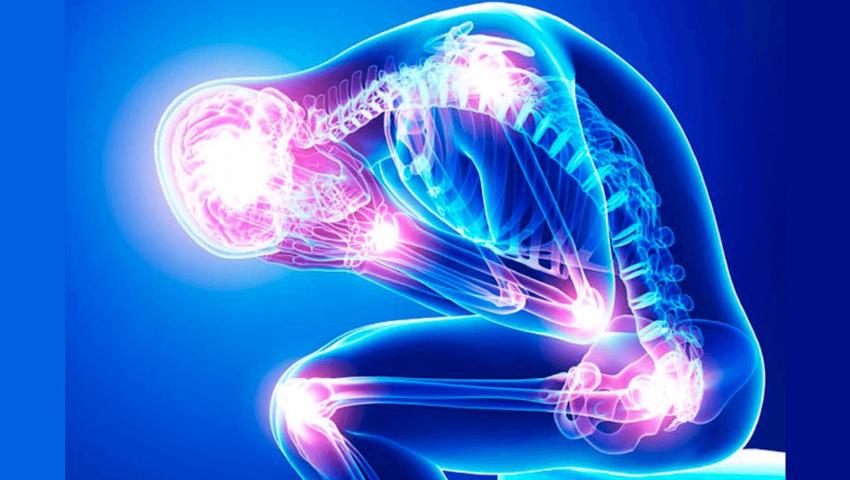
- Chronic Inflammation: This is slow, long-term inflammation lasting for several months or even years. It occurs when the body sends out inflammatory cells even though there is no outside danger. Over time, this “fire” inside the body begins to damage healthy tissues and organs.
Essentially, chronic inflammation is like a flickering flame that never goes out, eventually causing wear and tear on your joints, heart, and brain.
Why Does Chronic Inflammation Happen?
Many people wonder why the body would attack itself. Inflammation in the body usually happens for a few specific reasons:
- Untreated Infections: Sometimes a virus or bacteria lingers in the body, keeping the immune system on high alert.
- Autoimmune Disorders: In conditions like rheumatoid arthritis, the immune system mistakenly attacks healthy joint tissue.
- Long-term Exposure to Irritants: Breathing in polluted air or industrial chemicals for years can trigger a constant response.
- Lifestyle Factors: This is the most common reason today. Poor diet, lack of exercise, and high stress levels keep the body in a state of “emergency.”
Common Causes and Symptoms of Inflammation:
Identifying body inflammation symptoms early can prevent long-term damage. While acute cases have cardinal signs of inflammation (heat, redness, swelling, pain, and loss of function), chronic cases are more subtle.
How Chronic Inflammation Affects Your Health?
When inflammation in the body is ignored, it can lead to various inflammatory diseases. Because the immune system is constantly attacking, it can eventually lead to:
- Joint and Bone Problems: Chronic swelling leads to the breakdown of cartilage, resulting in arthritis and severe bone pain.
- Heart Disease: Inflammation can cause plaque to build up in the arteries.
- Diabetes: It can lead to insulin resistance, making it harder for your body to manage blood sugar.
- Respiratory Issues: Conditions like asthma or COPD are often driven by lung inflammation.
Simple Ways to Reduce Chronic Inflammation:
While there isn’t a single chronic inflammation cure, there are many effective chronic inflammation remedies and lifestyle changes that act as a natural treatment of inflammation.
- Move Your Body: Exercise is a powerful inflammation medicine. You don’t need to run a marathon; a 30-minute brisk walk daily helps release anti-inflammatory chemicals in the body.
- Prioritize Sleep: During sleep, your body repairs tissue. Lack of sleep increases the signs of inflammation and makes pain feel more intense.
- Manage Stress: High cortisol (the stress hormone) triggers the immune system. Try simple breathing exercises or yoga to keep your mind calm.
- Hydration: Drinking enough water helps flush out toxins that can trigger an immune response.
Foods You Should Avoid:
Knowing how to reduce inflammation in the body starts in the kitchen. Some foods act as “fuel” for the fire. To lower your risk, try to limit:
- Sugar and High-Fructose Corn Syrup: Found in sodas, candies, and many Indian sweets.
- Refined Carbohydrates: White bread, maida (refined flour), and pastries.
- Processed Meats: Sausages and canned meats.
- Trans Fats: Often found in “vanaspati” ghee, fried fast foods, and packaged snacks.
- Excessive Alcohol:Heavy drinking directly increases inflammation in the body.
Instead, focus on “Anti-inflammatory” foods like turmeric (haldi), ginger, leafy greens, fatty fish, and walnuts.
When Should You See an Orthopedic Doctor?
Sometimes, lifestyle changes aren’t enough, especially when the inflammation focuses on your musculoskeletal system. You should seek professional help from Dr. Ashwini Gaurav at Jeevandan Hospital if you notice:
- Persistent Joint Stiffness: If your joints feel “locked” every morning for more than 30 minutes.
- Swelling That Won’t Go Away: If a knee or ankle remains puffy despite rest and ice.
- Decreased Range of Motion: If you find it hard to climb stairs or bend your arms like you used to.
- Chronic Pain: When inflammation and pain interfere with your daily chores or sleep.
With 15 years of experience, Dr. Ashwini Gaurav can provide the right diagnostic tests and a personalized plan—ranging from physical therapy to modern medical treatments—to help you find relief.
Final Thoughts: Keep Inflammation Under Control Easily
Understanding the meaning of inflammation is the first step toward a healthier life. It is not something that happens overnight, and it won’t disappear overnight either. By making small, consistent changes to your diet and activity levels, you can significantly lower the symptoms of inflammation in your body.
Don’t let chronic pain become your “new normal.” If you feel your body is fighting a battle it can’t win, consult a specialist.
➢ Contact for Consultation – 7070828777 / 9386737895
FAQ's About Chronic Inflammation:
Inflammation is your body’s “emergency response team.” It happens because:
- Healing: Your immune system sends white blood cells to repair cuts, bruises, or broken bones.
- Defense: It acts as a shield to fight off harmful bacteria and viruses.
- Protection: It creates a “barrier” around an injured area to prevent further damage.
- Irritants: It can be triggered by long-term exposure to toxins like pollution or unhealthy chemicals in food.
These are the most common symptoms of inflammation in body that you can easily notice:
- Redness: The area looks redder than usual due to increased blood flow.
- Heat: The skin over the area feels warm or hot to the touch.
- Swelling: Fluid builds up, making the area look puffy or bloated.
- Pain: The swelling presses on nerves, causing a constant ache or sharp pain.
- Loss of Function: You find it difficult to move the joint or body part normally.
- Acute Inflammation: This is sudden and short-term. It happens after an injury (like a sprained ankle) and goes away in a few days once you heal.
- Chronic Inflammation: This is slow and long-term. It lingers for months or years, often without clear pain, and can slowly damage your heart, brain, and joints.
You can lower the “fire” inside your body with these simple steps:
- Anti-Inflammatory Diet: Eat more turmeric, ginger, green leafy vegetables, and fruits like berries.
- Daily Movement: Walking for 20-30 minutes helps flush out inflammatory chemicals.
- Stay Hydrated: Drink plenty of water to help your body remove waste and toxins.
- Quality Sleep: Your body heals itself best during deep sleep, so aim for 7-8 hours.
While there is no single “magic pill,” you can treat and manage it effectively by:
- Avoiding Triggers: Cut down on sugar, refined flour (maida), and fried snacks.
- Stress Management: Practice simple breathing or meditation to keep your hormones balanced.
- Expert Advice: Consult Dr. Ashwini Gaurav at Jeevandan Hospital for a professional diagnosis and a specialized treatment plan to stop inflammation from damaging your bones and joints.
