

- 20/03/2026
- Dr. Ashwini Gaurav
- 0 Comments
- Joint Pain
Bone Pain vs Joint Pain: Difference, Causes & Treatment
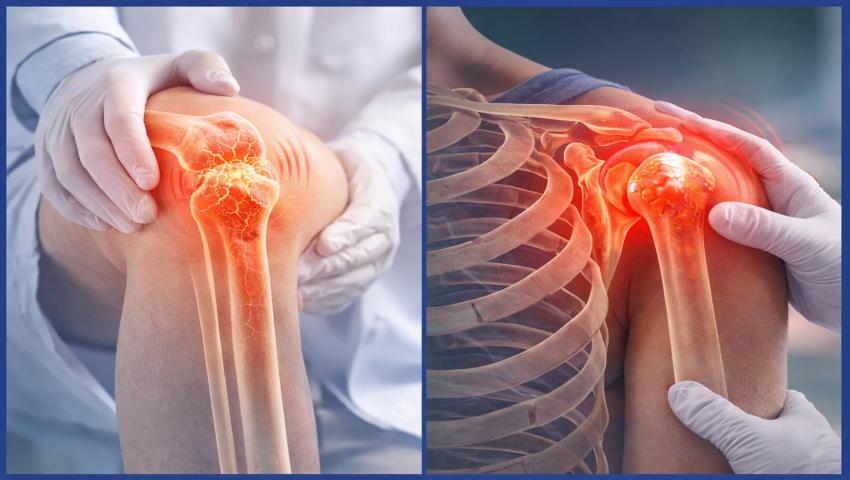
When you feel discomfort in your limbs, it is often hard to tell where it is coming from. Is it the bone itself, or is it the joint connecting them? Distinguishing between bone and joint pain is the first step toward getting the right treatment.
If you are experiencing persistent discomfort, it is essential to consult an expert. Dr. Ashwini Gaurav, the Best Bone Doctor in Patna, brings over 15 years of experience to his role as the Director and Head of the Department of Orthopaedic & Joint Replacement Surgery at Jeevandan Health OPD. As a renowned Bone Specialist, he helps patients navigate the complexities of Bone Pain vs Joint Pain to ensure a pain-free life.
What is Bone Pain?
Bones pain refers to deep, penetrating discomfort that originates from the skeletal structure itself. Unlike muscle soreness, bone and joint pain of this type often feels like a constant dull ache that doesn’t go away with rest. Bones pain reason can range from minor injuries to more serious underlying conditions like inflammation in bones or infections. When you feel bone tenderness causes, it usually indicates that the bone tissue is under stress or damaged.
What is Joint Pain?
Joint pain and joint issues occur where two or more bones meet, such as your knees, hips, or elbows. Joint pain symptoms often include stiffness and a “grating” sensation. Joint aches are usually related to the wear and tear of cartilage or joint inflammation. Whether it is joint pain of leg or hand and joint pain causes, this type of pain is typically triggered by movement and improves when you are still.
Bone Pain vs Joint Pain: Key Differences (Expanded)
Understanding the joint pain versus bone pain is vital. Here are 10 major differences to help you identify the source:
1. Location & Depth:
- Bone Pain: This is typically “non-specific.” You might feel like your whole thigh or forearm is aching deep inside. It is hard to pinpoint the exact millimetre where it hurts because the pain radiates along the bone shaft.
- Joint Pain: This is highly “localized.” You can usually point exactly to your knee cap, your elbow, or your knuckle. It stays confined to the area where the two bones meet.
2. The Nature of the Sensation:
- Bone Pain: It is often described as a deep, boring, or “drilling” ache. It feels heavy and structural.
- Joint Pain: Often feels like sharp, stabbing, or “gritting” sensations. If there is joint inflammation, it may feel like a hot, burning throb.
- Bones Pain: Surprisingly, bone pain often stays the same whether you move or stay still. In some cases, like a stress fracture, the bones pain reason is a constant throb that persists even when you are lying down.
- Joint Pain: This is “mechanical.” It is almost always triggered or worsened by specific movements—like climbing stairs, twisting your wrist, or getting out of a chair. It usually subsides significantly when the joint is at total rest.
4. Diurnal Variation (Timing of Pain):
- Bone Pain: Often feels much worse at night. When the body is still, and there are fewer distractions, the deep ache of the bone becomes more noticeable.
- Joint Pain: Characterized by “Morning Stiffness.” For those with joint pain of leg, the first few steps after waking up are the most painful. The pain usually “warms up” and improves slightly as you move during the day.
5. Visible Physical Changes:
- Bone Pain: Usually, there are no visible signs on the skin. The limb looks normal, even if the pain is 10/10.
- Joint Inflammation: Often results in visible swelling (edema), redness, and the skin feeling “warm” to the touch around the joint. You might also notice a loss of the normal contour of the joint.
6. Pressure Sensitivity (Palpation):
- Bone Tenderness Causes: If you press firmly on a specific part of the bone (not near a joint) and it causes a sharp “jump” in pain, it is a classic sign of bone distress or deficiency.
- Joint Tenderness: The pain is felt when you press the “joint line” (the space between the bones). The tenderness is usually felt all around the circumference of the joint.
7. Symmetry and Patterns:
- Bone Pain: Almost always asymmetrical. It usually affects one specific bone (e.g., the left shin bone) due to a localized issue.
- Joint Pain: Often follows a symmetrical pattern in conditions like Rheumatoid Arthritis, where both hands or both knees hurt simultaneously. It can also “migrate” from one joint to another.
8. Functional Limitations (Weight Bearing):
- Bones Pain: Can make the limb feel “unstable” or too weak to support weight, but the discomfort is there regardless of the load.
- Leg Joint Pain Reason: The pain is directly proportional to the weight applied. Standing up or carrying heavy bags immediately spikes the body’s joint pain.
9. Audible Signs (Joint Sounds):
- Bone Pain: Bones do not make noise during movement unless there is a severe fracture where the ends are rubbing.
- Joint Problems: Frequently involve “crepitus,” which includes popping, clicking, or a “sandpaper-like” grinding sound when you bend the limb. This indicates a loss of smooth cartilage.
10. Triggers and Environmental Factors:
- Reasons Joints Hurt: Highly sensitive to “Barometric Pressure.” Many patients find their joint pain symptoms worsen during the rainy season or cold winters in Bihar.
- Bone Pain: Usually unaffected by the weather. It is more likely triggered by internal factors like Vitamin D levels, hormonal changes, or physical trauma.
Symptoms of Bone Pain:
The symptoms of joint problems are different from bone issues. Bone pain symptoms include:
- Deep, nagging ache that persists during sleep.
- Bone tenderness when the area is touched.
- A feeling of heaviness in the limb.
- Pain that doesn’t improve with simple massage or stretching.
Symptoms of Joint Pain:
Common joint pain symptoms include:
- Joint inflammation (redness and warmth).
- Stiffness, especially after waking up.
- Limited range of motion (difficulty bending the knee or arm).
- Sore leg joints that feel “locked” in place.
- Aching joints and muscles surrounding the connection point.
Common Causes of Bone Pain:
If you are wondering why my joints are aching or why your bones hurt, here are the common bone-specific triggers:
- Fractures or Stress Injuries: Even tiny cracks can cause intense pain.
- Vitamin D or Calcium Deficiency: This leads to “osteomalacia” or bone pain.
- Infection (Osteomyelitis): Bacteria entering the bone can cause severe inflammation in the bones.
- Bone Cancer: Primary or secondary tumors can cause deep bone and joint pain.
Common Causes of Joint Pain:
What causes joint pain and why joint pains occur is often related to:
- Osteoarthritis: The “wear and tear” of age.
- Rheumatoid Arthritis: An autoimmune issue causing full body joint pain.
- Gout: Uric acid crystals causing joint pain of leg (usually the big toe).
- Bursitis: Inflammation of the fluid-filled sacs in the joint.
How to Identify Whether the Pain is in the Bone or Joint?
A simple way to check is the “Movement Test.” If you can sit perfectly still and the pain is still “throbbing” deep inside, it is likely bones pain. If the pain only shoots up when you try to stand, walk, or rotate your wrist, it is likely body joint pain. Pain in the joints and bones can coexist, but the trigger for joint pain is almost always mechanical (movement).
When Should You See a Bone Doctor?
You should consult a Bone Specialist like Dr. Ashwini Gaurav if:
- The pain is so severe it prevents sleep.
- You have full body joint pain accompanied by fever.
- The pain started after a fall or injury.
- You notice a visible deformity in the bone or joint.
- The joints pain in body lasts for more than two weeks without relief.
Diagnosis Methods for Bone and Joint Pain:
To find the body joints pain reason, doctors use:
- X-rays: To check for fractures or bone density.
- MRI/CT Scan: To look at ligaments, tendons, and joint inflammation.
- Blood Tests: To check for calcium levels, Vitamin D, or markers of rheumatoid arthritis.
- Bone Density Test (DEXA): To check for osteoporosis.
Treatment Options for Bone Pain:
Bone ache treatment focuses on the root cause:
- Supplements: High doses of Calcium and Vitamin D3.
- Antibiotics: If the cause is a bone infection.
- Casting/Splinting: To keep the bone still while it heals from a fracture.
- Medication: Specific painful joints medication that also targets bone density.
Treatment Options for Joint Pain:
To find a joint pain remedy, doctors may suggest:
- Joint ache medicine: Non-steroidal anti-inflammatory drugs (NSAIDs).
- Injections: Corticosteroid or Viscosupplementation shots directly into the joint.
- Physical Therapy: To strengthen the muscle and joint pain areas around the joint.
- Joint Replacement Surgery: For advanced cases of joint problems.
Home Remedies for Bone and Joint Pain Relief:
For mild aching joints and muscles, you can try:
- Hot and Cold Packs: Use heat for stiffness and ice for inflammation joint issues.
- Turmeric Milk: A traditional Indian joint ache remedy for reducing inflammation.
- Epsom Salt Baths: Helps relax sore leg joints and muscles.
- Massage: Gentle oil massage
Lifestyle Changes to Prevent Bone and Joint Pain:
- Maintain a Healthy Weight: Extra weight puts pressure on legs and joint pain points like knees and hips.
- Stay Hydrated: Water keeps the cartilage in your bone joint lubricated.
- Posture: Ensure you sit and stand correctly to avoid body and joint pain.
Exercises for Strong Bones and Healthy Joints:
- Weight-Bearing Exercises: Walking or light jogging helps increase bone density.
- Flexibility Training: Yoga and stretching prevent joints problems and stiffness.
- Swimming: An excellent low-impact exercise for full body joint pain sufferers.
Diet for Bone and Joint Health:
Your diet is the best remedies joint pain strategy:
- Calcium-Rich Foods: Milk, paneer, and leafy greens.
- Omega-3 Fatty Acids: Walnuts and flaxseeds to reduce inflammation joint.
- Vitamin C: Citrus fruits help in collagen production for bone and joint health.
Conclusion: Understanding the Right Pain for the Right Treatment
Whether you are dealing with a deep bone ache or stiff joint pains in body, knowing the difference is the key to recovery. Don’t ignore the symptoms of joint problems. Early diagnosis by an expert can prevent long-term damage.
If you are in Bihar or nearby regions, schedule a consultation with Dr. Ashwini Gaurav at Jeevandan Health OPD, Patna. With his specialized expertise, you can find the right treatment for your bone and joint pain and get back to an active lifestyle.
Location – Jeevandan Health OPD, Patna – Pillar no 140, B.no 3313, Bailey Rd, inside Jeevandan Health, RPS More, Kaliket Nagar, Patna, Bihar
Contcat No – 7070828777 / 9386737895.
