

- 22/02/2024
- Dr. Ashwini Gaurav
- 0 Comments
- Hip Replacement
Ceramic on Ceramic Hip Replacement: Ceramic Hip Replacement Life Expectancy Explained
If you or a loved one are considering hip surgery, you’ve likely heard about various materials used in the process. Among the most advanced options available today is the ceramic on ceramic hip replacement.
In this guide, we will dive deep into why this technology is a game-changer, especially regarding how long these implants last. Guided by the expertise of Dr. Ashwini Gaurav, a leading orthopedic specialist, we aim to help you understand if this is the right choice for your mobility and future.
What Is Ceramic on Ceramic Hip Replacement?
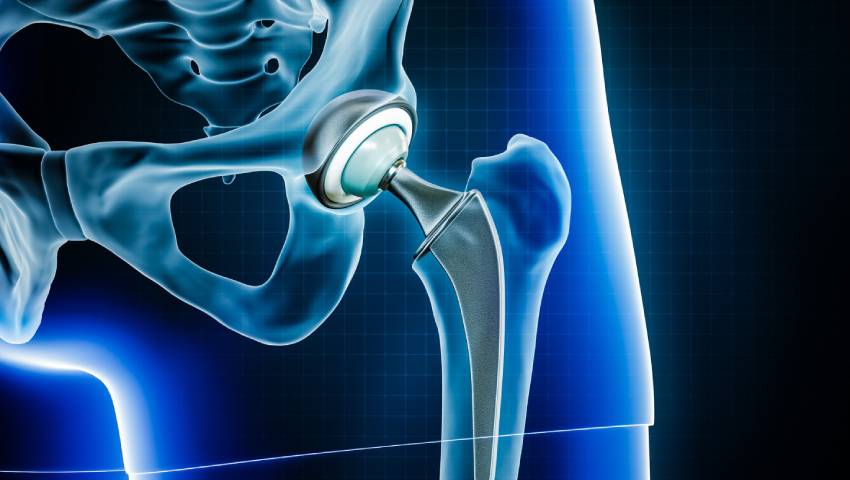
A hip replacement involves replacing a damaged hip joint with an artificial one (a prosthesis). The “bearing surface” refers to the two parts of the artificial joint that rub against each other: the ball (femoral head) and the socket (acetabular liner).
In a ceramic on ceramic hip replacement, both the ball and the liner are made of high-strength medical-grade ceramic.
How does it differ from others?
- Ceramic on Polyethylene Hip Replacement: This uses a ceramic ball and a medical-grade plastic (polyethylene) liner. While very common and effective, the plastic can wear down over decades.
- Metal on Plastic: The traditional method uses a metal ball.
- Ceramic on Ceramic: This is the “premium” version designed for maximum durability and the lowest possible wear rate.
Ceramic Hip Replacement Life Expectancy: A Detailed Breakdown
The most common question patients ask Dr. Ashwini Gaurav is: “How long will my new hip last?” When it comes to ceramic hip replacement, the answer is very encouraging.
1. The “Wear” Factor
The primary reason hip replacements fail over time is “wear and tear.” In older metal-on-plastic models, the friction between the parts creates tiny debris particles. These particles can cause the bone to thin (osteolysis), eventually loosening the implant.
Ceramic is incredibly hard and smooth. Because the surfaces are so slick, the wear rate is almost negligible. Laboratory tests show that ceramic on ceramic hip replacement surfaces wear at a rate of less than 0.001 millimeters per year.
2. Expected Longevity
While no surgeon can give a 100% guarantee, clinical data suggests the following:
- 25 to 30 Years: Many modern ceramic implants are expected to last 25 to 30 years.
- Lifetime Solution: For patients undergoing surgery in their 50s or 60s, a ceramic-on-ceramic implant is often a “once-in-a-lifetime” surgery, meaning the chances of needing a second (revision) surgery are very low.
- Younger Patients: This is the gold standard for younger, active Indian patients who need their hip to withstand decades of walking, climbing stairs, and daily activity.
3. Factors Influencing Life Expectancy
While the material is superior, life expectancy also depends on:
- Surgical Precision: The expertise of your surgeon, like Dr. Ashwini Gaurav, ensures the implant is positioned perfectly to avoid “edge loading.”
- Activity Levels: While ceramic is tough, high-impact sports (like jumping from heights) should be discussed with your doctor.
- Patient Weight: Maintaining a healthy BMI reduces the stress on the ceramic surfaces.
Key takeaway: If you are looking for the longest-lasting material available in modern orthopedics, ceramic hip replacement is the top contender.
Benefits of Ceramic on Ceramic Hip Replacement
Why are more patients choosing this over a ceramic on polyethylene hip replacement?
- Extreme Hardness: Ceramic is scratch-resistant. Even if a tiny piece of grit were to get into the joint, it wouldn’t scratch the surface like it would with metal.
- Biocompatibility: Ceramic is chemically inert. This means the body is very unlikely to have an allergic reaction or “reject” the material.
- Lower Dislocation Risk: Modern ceramic heads can be made larger, which provides better stability and reduces the risk of the hip popping out of its socket.
- No Metal Ions: Unlike metal-on-metal hips (which are rarely used now), ceramic doesn’t release metal ions into the bloodstream.
Ceramic on Ceramic Hip Replacement Cost in India
The ceramic hip replacement cost is generally higher than traditional metal or plastic options. This is because the manufacturing process for medical-grade ceramic is highly complex and requires precision engineering.
- Total Package: In India, the ceramic on ceramic hip replacement cost typically ranges from ₹2,50,000 to ₹4,50,000, depending on the hospital, the brand of the implant, and the complexity of the case.
- Long-term Value: While a ceramic on polyethylene hip replacement might be slightly cheaper upfront, the ceramic-on-ceramic option may save you money in the long run by avoiding the massive costs of a “revision surgery” later in life.
Dr. Ashwini Gaurav and his team provide transparent pricing to help patients make an informed financial decision without compromising on the quality of the implant.
Conclusion
Choosing to undergo a hip replacement is a big step toward regaining your independence. The ceramic on ceramic hip replacement offers the best in class for ceramic hip replacement life expectancy, giving you the peace of mind that your new hip is built to last.
By choosing a high-performance material and an experienced surgeon like Dr. Ashwini Gaurav, you are not just fixing a joint—you are reclaiming your lifestyle for decades to come.
Contact us – +919386737895
Visit the Jivandan Hospital in Patna
