

- 14/03/2023
- Dr. Ashwini Gaurav
- 0 Comments
- Blog
What Is Gout Arthritis? Causes, Symptoms, Uric Acid Levels, Best Treatment & Prevention
Introduction: Gout Arthritis and Uric Acid
Living with sudden, excruciating joint pain can be a nightmare. If you’ve ever woken up in the middle of the night feeling like your big toe is on fire, you might be dealing with gout arthritis. This complex form of arthritis is often misunderstood, but with the right guidance, it is highly manageable.
For expert consultation, you can visit Dr. Ashwini Gaurav, the Best Orthopedic Doctor in Patna. As the Director and Head of Orthopaedics at Jeevandan Health OPD, Dr. Gaurav brings over 15+ years of experience and maintains a 100% satisfaction rate in treating complex joint disorders. In this comprehensive guide, we will break down everything you need to know about managing high uric acid and finding lasting gout pain relief.
What Is Gout Arthritis?
Gout arthritis (also known as gouty arthritis) is a type of inflammatory arthritis characterized by sudden, severe attacks of pain, swelling, and redness in the joints. It is a metabolic disorder where the body either produces too much uric acid or fails to excrete it efficiently. This leads to the formation of needle-like uric acid crystals in the joints, causing intense discomfort.
While gout disease was once called the “disease of kings” due to its link to rich diets, we now know it can affect anyone. It often starts as acute gout—sudden flares that last a few days—but can progress to chronic gout disease if left untreated, leading to permanent joint damage.
What Is Uric Acid and Its Role in Gout
To understand what is gout, you must understand uric acid and gout. Uric acid is a waste product found in the blood. It’s created when the body breaks down chemicals called purines.
- Normal Process: Uric acid dissolves in the blood, passes through the kidneys, and leaves the body in urine.
- The Problem: When you have hyperuricemia (excessively high uric acid), the acid doesn’t stay dissolved. Instead, it forms sharp uric acid crystals that settle in the joint space, acting like shards of glass every time you move.
Causes of Gout Arthritis
Understanding gout causes is the first step toward prevention. The primary trigger is an accumulation of uric acid, but why does this happen?
- Diet: Consuming foods that cause gout, such as red meat, organ meats, and seafood, increases purine levels.
- Alcohol: Beer and spirits interfere with the removal of uric acid from the body.
- Medical Conditions: Untreated high blood pressure, diabetes, and kidney disease are significant causes of gout.
- Medications: Certain diuretics (water pills) can trigger a gout flare.
- Genetics: A family history of gouty arthritis increases your risk.
Gout Disease Symptoms
The symptoms of gout usually appear suddenly, often at night. Look out for these gout disease symptoms:
- Intense Joint Pain: The gout pain is often most severe within the first 12 to 24 hours.
- Lingering Discomfort: After the severe pain subsides, joint discomfort may last from a few days to a few weeks.
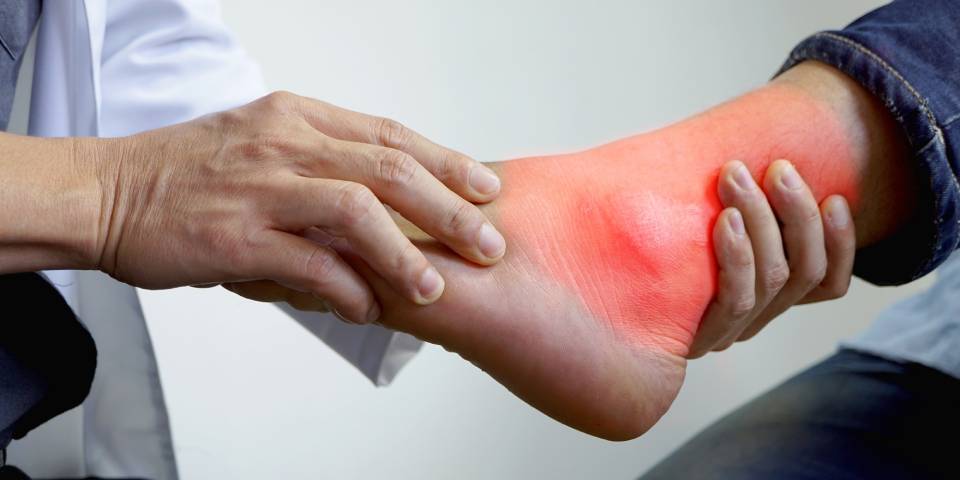
- Inflammation and Redness: Affected joints become swollen, tender, warm, and red.
- Limited Range of Motion: As the disease progresses, you may not be able to move your joints normally.
Common Areas Affected by Gout
While it can affect any joint, uric acid in joints typically settles in the lower extremities:
- Gout in Big Toe: This is the most common site (clinically called Podagra).
- Gout in Foot & Ankle: Many patients report gout in feet symptoms where the mid-foot or ankle swells significantly.
- Gout in Knee: Often mistaken for a sports injury, a gout attack in the knee can make walking impossible.
- Gout in Fingers: In chronic gout, small lumps called tophi may form in the finger joints or elbows.
Gout Arthritis vs Other Types of Arthritis
When comparing gout vs arthritis (like osteoarthritis or rheumatoid arthritis), the main difference is the cause and the “speed” of onset.
- Osteoarthritis is “wear and tear” that happens over years.
- Rheumatoid Arthritis is an autoimmune disorder.
- Gout is metabolic and hits like a “flare”—sudden, intense, and often recurring in the same spot.
Diagnosis of Gout Arthritis At Jeevandan Health OPD, Patna
Getting an accurate gout diagnosis is crucial. At Jeevandan Health OPD, Dr. Ashwini Gaurav uses advanced diagnostic tools to differentiate gout from other infections:
- Joint Fluid Test: Using a needle to draw fluid from the joint to look for uric acid crystals.
- Blood Test: To measure uric acid levels in your blood.
- X-ray/Ultrasound: To check for joint inflammation or bone damage caused by chronic gout.
Uric Acid Levels and Their Impact
Monitoring your uric acid levels is vital for long-term health.
- High Uric Acid Symptoms: Surprisingly, some people have high levels without pain (asymptomatic hyperuricemia). However, for others, it leads to kidney stones or frequent gout flares.
- Target Level: For those with gout, the goal is usually to keep uric acid levels below 6.0 mg/dL.
Treatment Options for Gout Arthritis
The goal of gout treatment is two-fold: treating the immediate pain and preventing future attacks.
Medicines for Gout
Dr. Ashwini Gaurav may prescribe several types of gout medicine:
- NSAIDs: For immediate gout pain relief.
- Colchicine: Effective at reducing gouty arthritis symptoms if taken early in an attack.
- Corticosteroids: For patients who cannot take NSAIDs.
- Uric acid-lowering drugs: Such as Allopurinol or Febuxostat, which serve as long-term uric acid treatment medicine.
Home Remedies for Gout Pain Relief
While medicine is necessary, home remedies for gout can help manage the discomfort:
- Ice Packs: Apply to the joint to reduce swelling.
- Hydration: Drink plenty of water to help flush uric acid from the kidneys.
- Rest: Elevate the affected limb.
Prevention of Gout Arthritis: The Best Strategy
Prevention of gout is much easier than treating a flare. This involves lifestyle changes and a diet for gout:
The Low Purine Diet
- Foods to Avoid for Gout: Red meat, organ meats (liver), sardines, and sugary sodas (fructose).
- Foods to Include: Low-fat dairy, vegetables, whole grains, and Vitamin C-rich fruits.
Natural Ways to Lower Uric Acid
- Weight Management: Reducing weight lowers the load on joints and improves uric acid treatment outcomes.
- Coffee: Some studies suggest moderate coffee consumption may lower uric acid.
- Cherries: Known for their anti-inflammatory properties that may prevent acute gout.
Gout Can be Cured?
While there isn’t a “one-time cure” that allows you to return to an unhealthy lifestyle, gout arthritis is highly controllable. With consistent uric acid-lowering drugs and diet, many patients go years without a single gout flare. Under the expert care of Dr. Ashwini Gaurav, most patients achieve a 100% recovery in quality of life.
Conclusion: Uric Acid and Gout
Gout doesn’t have to be a permanent source of pain. By understanding the link between high uric acid and joint health, you can take control of your mobility. Whether it’s managing gout in the ankle, finding the right gout medicine, or starting a low purine diet, professional guidance makes all the difference.
If you are suffering from gout pain or suspect you have symptoms of gout, don’t wait for the next attack.
Stop living with high uric acid. Start living with confidence. Consult Dr. Ashwini Gaurav at Jeevandan Health OPD today!
(FAQs) About Gout Arthritis and
Gout is a painful form of inflammatory arthritis caused by the accumulation of uric acid crystals in the joints. It is a metabolic disorder that results in sudden episodes of swelling and intense pain.
A gout attack (or flare) is a sudden episode of intense joint pain, often occurring at night. The affected joint (usually the big toe) becomes so sensitive that even the weight of a bedsheet can feel unbearable.
Gout in women is most common after menopause. Before menopause, the hormone estrogen helps the kidneys remove uric acid. Once estrogen levels drop, the risk of developing gouty arthritis increases significantly.
- Gout in foot or the big toe occurs because these areas are further from the heart and have lower temperatures. These cooler conditions make it easier for uric acid to crystalize and settle in the joints of the feet.
In medical terms, the gout meaning refers to “monosodium urate crystal deposition disease.” Essentially, it means your body has too much uric acid, which turns into solid, sharp crystals inside your joint spaces.
Gout itself is not fatal. However, if ignored, high uric acid can lead to life-threatening complications like kidney failure, heart disease, and severe infections in the joints.
High uric acid (Hyperuricemia) is caused by a diet high in purines, excessive sugar (fructose) intake, kidney dysfunction, or the body naturally producing too much of the chemical during cell breakdown.
If uric acid levels remain high, the acid forms needle-like crystals. This leads to gout flares, painful kidney stones, and potential damage to the filtering units of your kidneys.
A uric acid test is a simple blood or urine analysis. It helps Dr. Ashwini Gaurav determine the concentration of uric acid in your system to decide the best course of gout medicine.
The fastest way to lower levels and get gout pain relief is a combination of:
- Prescription Medication: Such as Allopurinol or Febuxostat.
- Hydration: Drinking massive amounts of water.
- Strict Diet: Immediately stopping the intake of red meat and alcohol.
