

Hip Replacement
Best Hip Replacement Surgeon in Patna
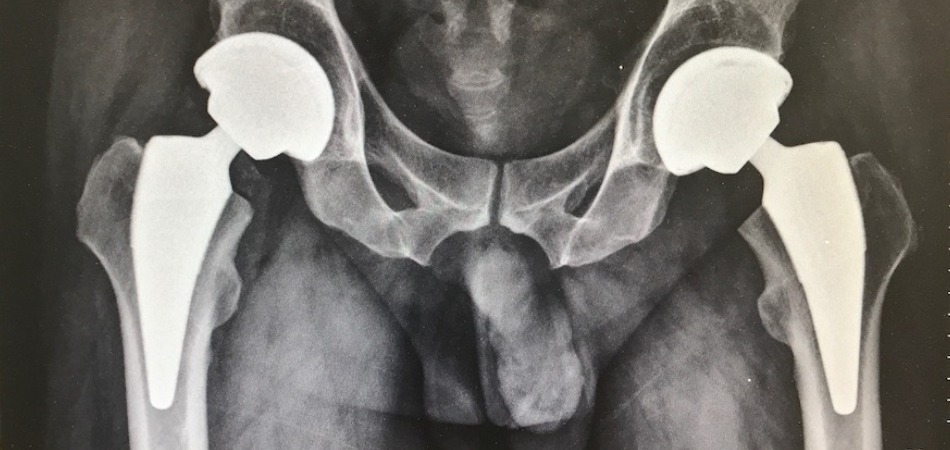
Are you struggling with persistent hip pain that makes even simple tasks like walking or climbing stairs difficult? If chronic discomfort is affecting your quality of life, you are not alone. Hip replacement surgery has evolved into one of the most successful and life-changing procedures in modern medicine, helping thousands of patients in Bihar regain their independence.
When it comes to your mobility, you deserve nothing but the best. Dr. Ashwini Gaurav, widely recognised as the Best Hip Replacement Surgeon in Patna, is a pioneer in advanced joint reconstruction. As the Best Orthopedic Doctor in Patna with over 15 years of experience, he provides expert care at Jivandan Hospital in Patna, ensuring that every patient receives world-class treatment right here in Bihar.
What Is Hip Replacement Surgery?
To put it simply, what is hip replacement surgery? Also known as hip arthroplasty, it is a surgical procedure where a damaged or diseased hip joint is replaced with an artificial implant called a prosthesis.
The hip is a “ball-and-socket” joint. During the surgery:
- The damaged femoral head (the ball) is removed and replaced with a metal or ceramic ball.
- The damaged socket (acetabulum) is lined with a durable metal, ceramic, or plastic shell.
- These components work together to recreate the smooth, frictionless movement of a healthy joint.
Is Hip Replacement Surgery Safe?
Many patients often ask, is hip replacement surgery safe? The answer is a resounding yes. With modern surgical techniques, computer-guided navigation, and high-quality implants, the success rate of total hip replacement is exceptionally high. Under the expertise of the Best Hip Replacement Surgeon in Patna, risks are minimised, and the focus remains on a rapid, safe recovery.
Who Needs Hip Replacement?
Not everyone with hip pain needs surgery. However, if non-surgical treatments like physiotherapy and medication are no longer working, hip replacement may be recommended for:
- Severe Osteoarthritis: The “wear and tear” of joint cartilage.
- Avascular Necrosis (AVN): A condition where blood supply to the hip bone is cut off, causing the bone to collapse. This is very common among young patients in India.
- Rheumatoid Arthritis: An autoimmune disease that causes joint inflammation and damage.
- Hip Fractures: Especially in elderly patients where the bone cannot heal naturally.
- Ankylosing Spondylitis: A type of arthritis that causes the spine and joints to fuse.
Types of Hip Replacement Surgery
Depending on your age, activity level, and the extent of joint damage, Dr. Ashwini Gaurav may suggest different types of hip joint replacement:
- Total Hip Replacement: Both the ball and the socket are replaced. This is the most common procedure for arthritis.
- Partial Hip Replacement: Only the femoral head (the ball) is replaced. This is often done for specific types of hip fractures in elderly patients.
- Hip Resurfacing: A procedure usually reserved for younger, active men where only the surface of the bone is trimmed and capped with metal.
- Ceramic on Ceramic Hip Replacement: A premium option using ceramic components that offer the longest life expectancy and the lowest wear rate.
Causes of Hip Joint Damage
In Patna and across Bihar, we see various factors leading to joint degeneration. The most common causes include:
- Ageing: Natural wear and tear over decades.
- Trauma: Previous injuries or accidents that didn’t heal correctly.
- Steroid Use: Often a leading cause of Avascular Necrosis (AVN).
- Lifestyle Factors: Obesity and lack of exercise put excessive pressure on the hip joints.
- Congenital Deformities: Conditions like hip dysplasia present from birth.
Procedure of Hip Replacement Surgery
Understanding the process can help ease any anxiety. Here is a step-by-step look at how hip replacement surgery is performed by Dr. Ashwini Gaurav:
- Anesthesia: You will be given either general anesthesia or a spinal block to ensure you feel no pain.
- Incision: The surgeon makes an incision over the side or back of the hip. Dr. Gaurav uses minimally invasive techniques to ensure smaller scars and faster healing.
- Removal & Preparation: The damaged bone and cartilage are removed. The socket is shaped to fit the new liner.
- Implant Placement: The artificial ball and socket are securely fixed into place.
- Closing: The incision is closed with sutures or staples, and a sterile dressing is applied.
Benefits of Hip Replacement
The primary goal of hip joint replacement is to improve your quality of life. The benefits include:
- Pain Relief: Most patients experience a near-total elimination of chronic hip pain.
- Restored Mobility: You can walk, sit, and move without stiffness.
- Independence: No longer relying on walking aids or family members for daily chores.
- Longevity: Modern implants can last 25 to 30 years or more.
Risks and Complications of Hip Replacement
While hip replacement surgery is highly safe, like any major surgery, it carries some risks:
- Infection: Managed with sterile environments and antibiotics.
- Blood Clots: Prevented with blood thinners and early movement.
- Dislocation: Minimized by using larger ball heads and expert surgical placement.
- Leg Length Inequality: Dr. Gaurav uses precise measurement tools to ensure both legs remain equal in length.
When to See a Hip Replacement Doctor
You should consult Dr. Ashwini Gaurav if:
- Your hip pain keeps you awake at night.
- You cannot put weight on your leg.
- Walking even short distances is painful.
- Medications and walkers are no longer providing relief.
Hip Replacement Recovery Time
Hip Operation Recovery Time is a journey, not a race. Here is a general timeline:
- Day 1-2: You will be encouraged to stand and walk short distances with a walker.
- Weeks 2-6: You will continue physiotherapy at home to strengthen the muscles.
- Months 3-6: Most patients return to normal activities, including driving and light sports.
Following the protocols of the Best Hip Replacement Surgeon in Patna ensures that you get back to your routine as quickly as possible.
Hip Replacement Surgery Cost in Patna
We understand that hip replacement surgery cost is a major concern for families. In Patna, the cost is significantly more affordable than in Delhi or Mumbai, without compromising on quality.
The hip replacement surgery cost typically ranges from ₹2,50,000 to ₹5,50,000, depending on:
- The type of implant (Metal vs. Ceramic).
- The complexity of the surgery (Primary vs. Revision).
- The choice of hospital and room category.
At OrthoPatna, we believe in transparent pricing and provide a detailed estimate before the procedure.
Why Choose Dr. Ashwini Gaurav for Hip Replacement Surgery?
When searching for the Best Hip Replacement Surgeon in Patna, Dr. Ashwini Gaurav stands out for several reasons:
- Gold Medalist Expertise: He earned his MS (Ortho) from Patna Medical College with a Gold Medal.
- Global Training: He has completed prestigious fellowships in South Korea and Switzerland, mastering the latest “Hip Preservation” and “Joint Replacement” techniques.
- AIIMS Experience: Having worked at AIIMS New Delhi, he is an expert in handling the most complex trauma and joint cases.
- Patient-Centric Care: Known for his humble and polite nature, he takes the time to explain every detail to his patients.
- Proven Results: With over 15,000 happy patients, his success rate speaks for itself.
If you are looking for the Best Hip Replacement Surgeon in Patna to help you walk again without pain, look no further.
Request a Call Back
To book a priority appointment with Dr. Ashwini Gaurav at Jeevandan Health (Jivandan Hospital), you can directly call his dedicated appointment line at +91-9386737895. Or visit Jivandan Hospital in Patna.
FAQ's about Hip Replacement Surgery
Total hip replacement (THR) is generally considered the best surgery for severe hip arthritis or damage, providing long-term relief and improved function.
The success rate of hip replacement surgery is generally high, with over 95% of patients experiencing significant pain relief and improved mobility.
The 90% rule with hip replacement refers to the guideline that 90% of hip replacements should last for at least 10 years without needing revision surgery.
Yes, hip joint surgery is generally safe, with low complication rates when performed by experienced surgeons in appropriate medical facilities.
Hip replacements typically last 15-20 years or more with proper care and maintenance.
Bed rest after hip replacement is typically minimal, with patients encouraged to start moving and walking with the help of a physical therapist as soon as the day of surgery or the next day.
Yes, most people can climb stairs after hip replacement surgery. However, it’s important to follow your surgeon’s guidance and gradually increase activity levels while ensuring proper technique to avoid any strain on the hip joint.
Watch Our Video on Hip Replacement
- Knee Replacement
- Hip Replacement
- Hip Preservation
- Trauma Surgery
- Arthritis
- Plaster Casts
- PRP Treatment in Patna
- Blood Test
- X ray services
- ACL Reconstruction
- Arthroscopy Surgery
- Sports Injury Treatment
- Tennis Elbow Treatment
- Wrist Pain Treatment
- Shoulder Replacement
- Sciatica Treatment
- Spine Treatment
- Joint Replacement Surgery
- Neck Pain Treatment
- Back Pain Treatment
Call us Today! +919386737895
WhatsApp us