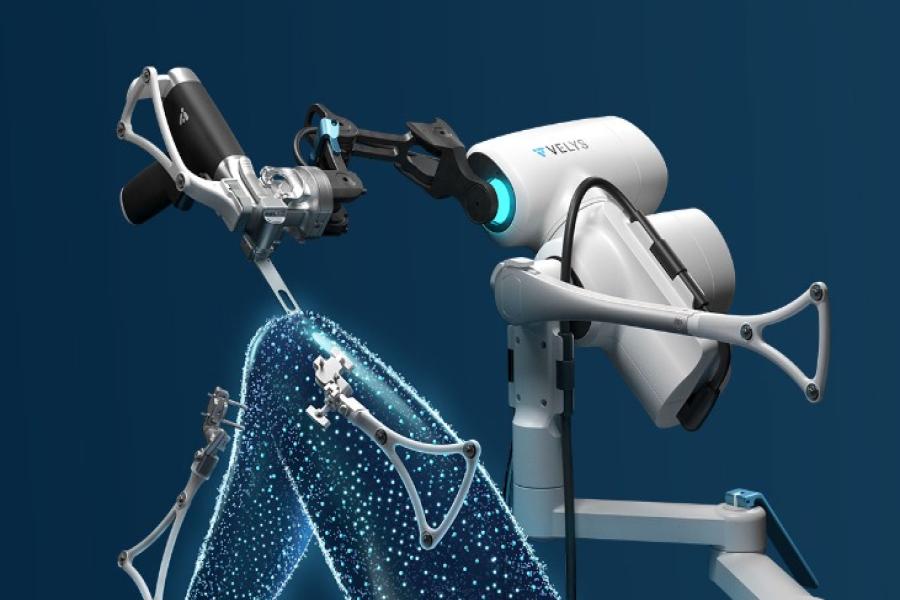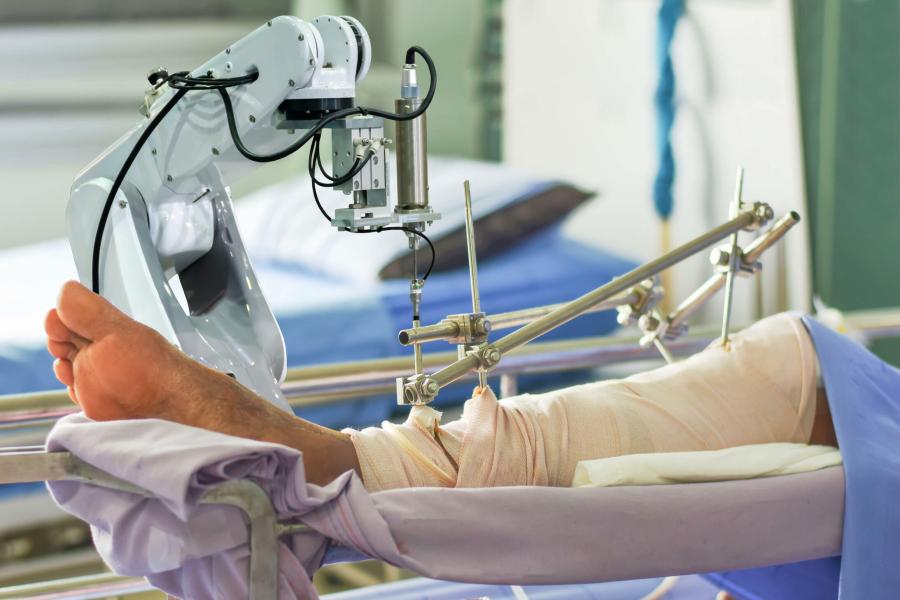



Severe knee pain can make everyday activities such as walking, climbing stairs, sitting, standing, or sleeping comfortably difficult. If knee arthritis, joint degeneration, or an old knee injury is affecting your mobility despite medicines, physiotherapy, or other conservative treatments, Robotic Knee Replacement Surgery in Patna may be considered after a detailed orthopedic evaluation. Dr. Ashwini Gaurav, Orthopedic Surgeon in Patna, provides advanced orthopedic consultation and knee replacement care at Jeevandan Hospital, Patna. With senior residency experience at AIIMS New Delhi and PMCH Patna, along with fellowship exposure at Inselspital, Switzerland, and SeoNam Hospital, South Korea, Dr. Ashwini Gaurav offers patient-focused care for knee arthritis, joint replacement, arthroscopy, sports injuries, trauma, and complex orthopedic conditions. Book a Consultation for Robotic Knee Replacement in Patna.

Treatment is carefully planned according to your unique anatomy and joint condition.

Digital technology enhances surgical planning, guidance, and procedural accuracy.

Advanced technology supports precise and personalized joint replacement procedures.
Technology assists in achieving planned implant positioning and proper joint alignment.
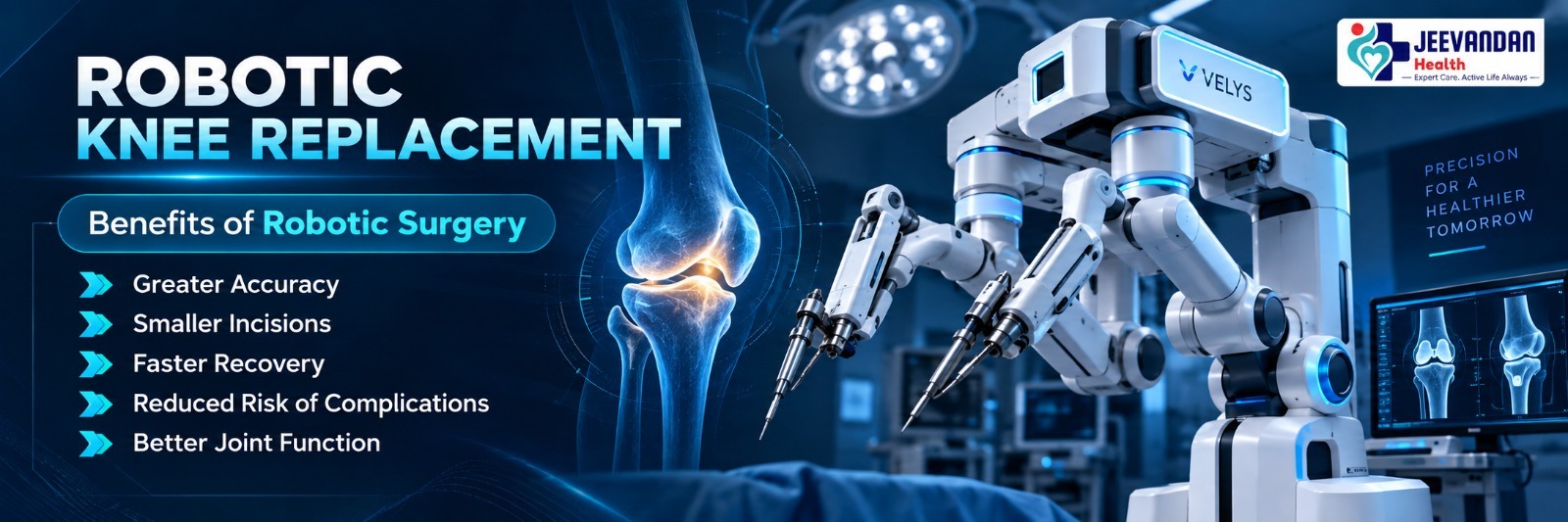
The difference is that robotic technology provides additional assistance for:
The robotic system does not operate independently. The orthopedic surgeon remains in complete control throughout the procedure and uses the robotic platform as a surgical assistance tool.

Total knee replacement may be recommended when arthritis affects most or all of the knee joint. The damaged joint surfaces are replaced with artificial components.
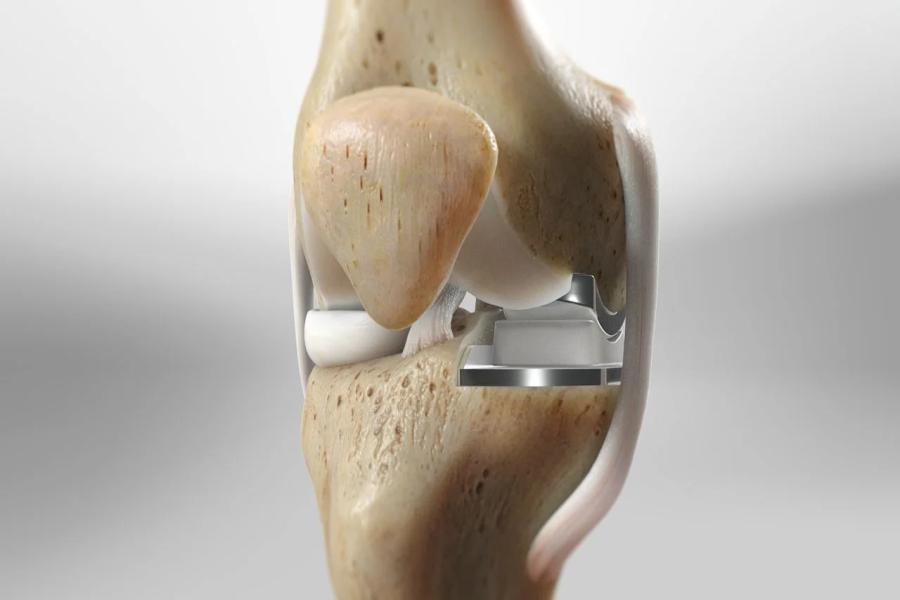
In selected patients, arthritis may affect only one part of the knee. Partial knee replacement may be considered when the remaining compartments of the joint are relatively healthy.
Dr. Ashwini Gaurav provides comprehensive evaluation and surgical care for knee and hip joint conditions. His approach focuses on accurate diagnosis, appropriate treatment selection, and individualized surgical planning for patients with advanced joint problems.
His clinical experience includes senior residency at AIIMS New Delhi and PMCH Patna, two reputed medical institutions in India. This exposure has contributed to his experience in managing a wide range of orthopedic and joint-related conditions.
Dr. Ashwini Gaurav has fellowship exposure at Inselspital, Switzerland and SeoNam Hospital, South Korea. This international training has provided him with exposure to advanced orthopedic techniques, joint preservation concepts, and modern surgical approaches.
Every patient's knee condition is different. Treatment is planned after evaluating symptoms, arthritis severity, imaging findings, knee alignment, age, activity level, overall health, and response to previous treatments.
Patients are guided through every stage of treatment, from diagnosis and non-surgical management to surgical planning, knee replacement, physiotherapy, rehabilitation, and follow-up. This ensures continuity of care throughout the treatment journey.
Patients with advanced knee arthritis or severe joint damage who continue to experience pain and reduced mobility despite appropriate non-surgical treatment may be candidates.
No. Suitability depends on the patient’s knee condition, severity of arthritis, overall health, anatomy, and surgeon’s evaluation.
Both procedures replace damaged knee surfaces with artificial components. Robotic knee replacement uses advanced technology to provide additional surgical planning and guidance.
Robotic technology can provide additional precision and planning support, but the best surgical approach depends on the individual patient.
Early assisted walking is commonly encouraged when medically appropriate. The exact timing varies depending on the patient’s health and recovery.
Yes. Physiotherapy is usually an important part of rehabilitation and helps improve knee movement, muscle strength, walking, and balance.
In selected patients, both knees may be treated either during the same hospital admission or in separate procedures. The decision depends on health status, severity of arthritis, and surgical assessment.
Age alone does not determine eligibility. The surgeon considers overall health, medical conditions, mobility, bone quality, and surgical fitness.
Yes. Many patients with early or moderate arthritis can be treated using physiotherapy, exercise, weight management, medicines, injections, or other conservative methods.
You may need evaluation for knee replacement if severe knee pain, stiffness, deformity, or mobility problems continue despite appropriate non-surgical treatment.
You can consult Dr. Ashwini Gaurav at Jeevandan Hospital, Patna for evaluation of knee arthritis and knee replacement treatment options.
WhatsApp us